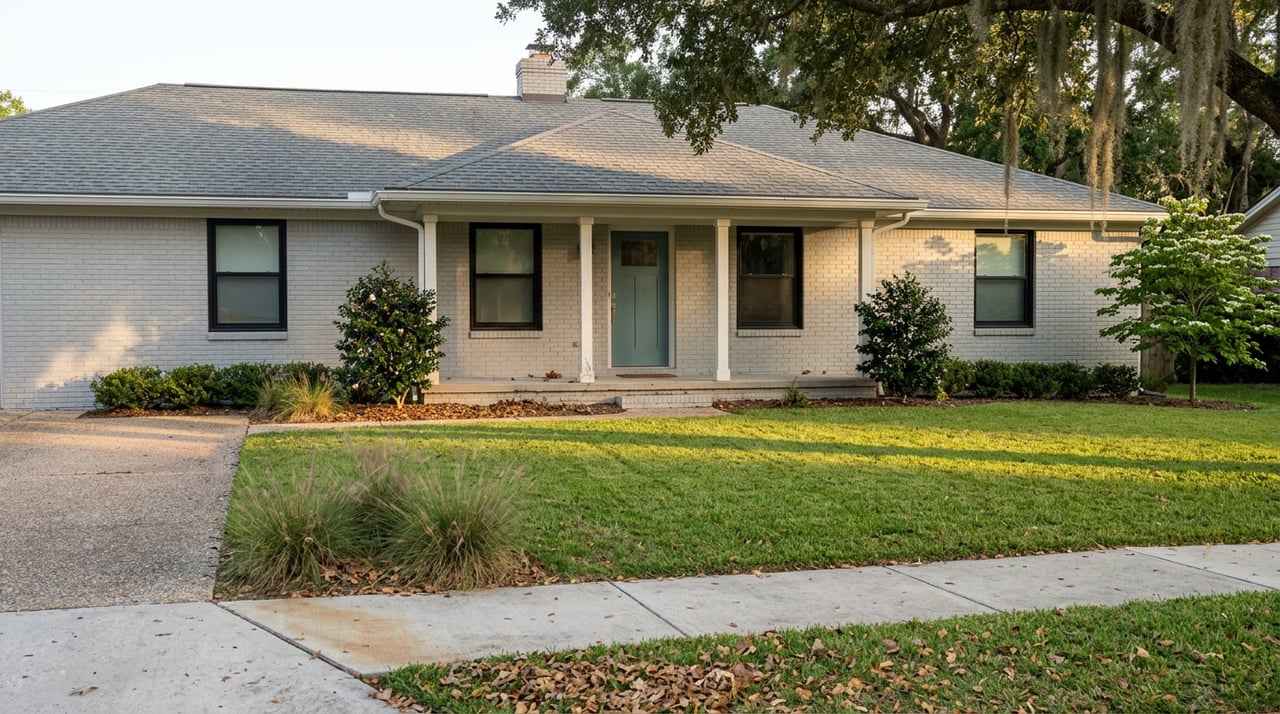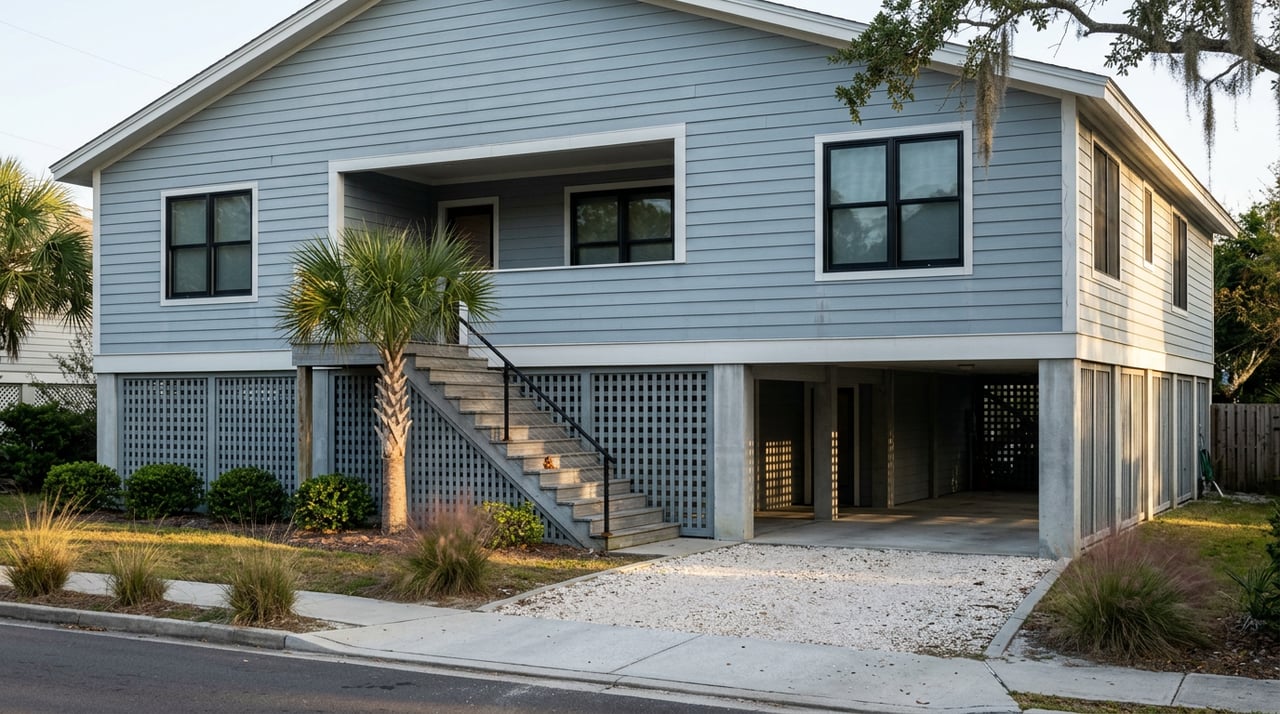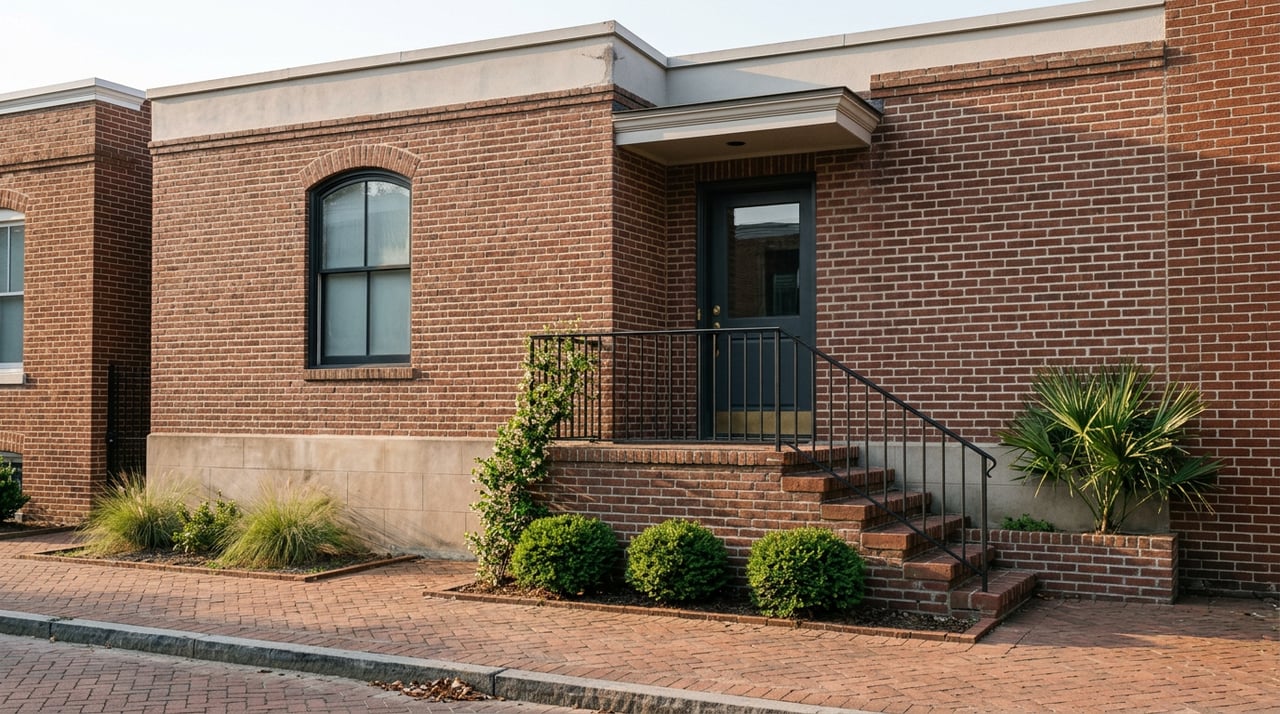
Two brick row houses sit three blocks apart in downtown Wilmington's historic district. Same era, same square footage, priced within a few thousand dollars of each other on the MLS. To a buyer scanning listings, they look like the same purchase.
They are not. What actually separates them has nothing to do with the number on the contract. It comes down to two questions no listing sheet answers: whether the city will let you touch the exterior the way you want to, and what an insurer thinks the house is worth protecting against water. Both of those get decided by systems that run independently of price, and both show up later, on your first renovation quote and your first insurance renewal, not at closing.
The renovation isn't yours to design alone
Buy a house in most of Wilmington and the renovation is a conversation between you, your contractor, and your budget. Buy inside the local historic district or one of the city's historic overlays, and a third party joins that conversation: the Historic Preservation Commission, a seven-member board that reviews exterior changes for compatibility with the district's character before you're allowed to make them.
Routine maintenance is exempt. Replace a roof in kind and you don't need anything from the city. But the moment a change alters what the house looks like from the street, moving a window, swapping roofing material, adding a deck, taking down a porch that isn't original, it needs a Certificate of Appropriateness. Simple, minor requests can move through an administrative process in roughly a week to ten days. Anything the commission classifies as major, structural work, additions, anything that departs from the city's design standards, goes to a public hearing instead, and that process can stretch toward six months.
A case the commission heard earlier this year makes this concrete rather than theoretical. Back in March, the board reviewed a request for a four-square house at 226 South Front Street, sitting in the Central Business District Historic District Overlay that the city established back in 1979. The questions on the table weren't abstract: whether replacement porch columns could be fiberglass or needed to match the original material, whether damaged flooring gets replaced in kind or repaired in place, how much of the original fabric has to survive a fix before it counts as a repair versus a replacement. This is the level of detail a buyer inherits along with the deed.
For a buyer, that changes what "move-in ready" actually means. A house priced a little higher but with an approved COA already on file for the changes you'd want anyway is worth more than the sticker suggests, because someone already cleared the six-month version of this process for you. A house priced lower with no COA history and a wish list of exterior changes might cost you a season of waiting before a single board goes up. The renovation budget you pencil in during due diligence is a guess until you know which version of this process your project falls into.
The insurance bill doesn't follow the price tag either
The second invisible cost runs through the insurance company, not the city, and it's driven by less than most buyers assume. FEMA flood zone matters, but it isn't the whole story. Two houses in the same zone, similar age, similar price, can carry very different premiums because of two things a zone designation doesn't capture: the property's elevation relative to base flood elevation, documented in an elevation certificate, and its own history of flood claims.
That combination is why 2026 premiums for Wilmington homes span a wide range, from around $500 a year on the low end to $3,000 or more, depending on how a specific house scores on elevation and coverage rather than on its zip code alone. Inside the historic district, AE flood zones show up in pockets of Carolina Heights and parts of Forest Hills, areas that are otherwise some of the most walkable and architecturally intact in the city. Homes on Market Street and in Sunset Park carry a history of flood events that insurers price into premiums and that future buyers will feel at resale, whether or not the current listing mentions it.
None of that is visible on a comparable sales sheet. An elevation certificate is the one document that translates flood exposure into an actual number, and it's worth requesting before you write an offer, not after the due diligence period is already ticking. A house that sits eighteen inches higher than its neighbor per that certificate can carry a materially lower premium for the life of your ownership.
There's a second layer buyers from outside coastal markets often miss entirely. Standard homeowners policies in this part of the state typically exclude wind and hail damage, which means hurricane exposure has to be covered separately, often through the state's wind pool coverage designed for high-risk coastal areas. Skip that conversation with an insurer before closing and you can end up thinking you're covered for a storm when you're not.
What to ask before you write the offer
The city and the insurer are both going to weigh in on this house whether you ask first or not. The only choice you actually have is when you find out.
| Question to ask | Why it changes the math |
|---|---|
| Does this property have any COA history on file? | Tells you if planned exterior work is already cleared or still ahead of you |
| Is the requested change classified minor or major? | Separates a ten-day approval from a process that can run months |
| What does the elevation certificate say? | Converts flood exposure into an actual premium number instead of a guess |
| Has this property filed a flood claim before? | Claims history can move your premium independent of the zone map |
| Is wind and hail carried separately from the base policy? | Standard coverage in this market often excludes storm damage by default |
Run through that list before the offer goes in, and the two houses that looked identical on the listing sheet stop looking identical at all. The cheaper one with no COA history and an unfavorable elevation certificate can end up costing more over five years than the pricier one that already cleared both hurdles.
Why this matters more than the comp
Real estate conversations tend to center on the sale price because it's the easiest number to compare. But in a historic district, the sale price is the part of the transaction that's already finished negotiating by the time you're standing in the house. What isn't finished is everything downstream: what you're permitted to change, how long that permission takes, and what it will cost every year to keep the place insured against the water it sits near.
A house that's cheap to buy but slow to alter and expensive to insure isn't actually the cheaper house. A slightly pricier one with an approved COA on file and a favorable elevation certificate can be the better financial position the day you close, even before you've done any work to it. This is the kind of detail that separates a comp pulled from an MLS search and a read on the property that accounts for how it actually behaves once you own it.
A few questions worth settling early
Does every exterior change need a Certificate of Appropriateness? No. Routine maintenance and in-kind repairs are exempt. The requirement kicks in when a change alters the appearance of the house from the public right of way, which covers most cosmetic and structural exterior work.
Can I request a COA before I close on the house? Sellers can, and if they've already filed for planned work, that history becomes part of what you're evaluating, not something you start from scratch after you own the property.
What happens if the commission says no to a major change? Major works go through a public hearing and a quasi-judicial process, and a denial means the work doesn't happen as proposed. Buyers with specific renovation plans should treat commission approval as a real contingency, not a formality, before assuming a project timeline.
Buying inside Wilmington's historic district rewards buyers who look past the number on the contract to the two systems that actually run the place: design review and flood underwriting. Both are knowable before you write an offer. Neither shows up if you only read the listing.
If you're evaluating a specific property in downtown Wilmington and want a read on its COA history, flood zone position, or elevation certificate before you commit to an offer, Austin Kenyon works these details daily across the historic district and the broader Wilmington shoreline. Schedule a private consultation to walk through the numbers on your specific house before you write the offer, not after.