Two numbers on the Wilmington market this summer say different things. The pending-to-active ratio reads like a seller's market. The days-on-market reads like a buyer's. Both are true, and the reason they can both be true is the story the portals are burying under a single median.
The number the portals lead with
As of July 2026, Resideline's live market read put Wilmington at 87 active listings against 56 pending sales, a median sold price of $461,500 over the trailing six months, and a median listing age of 32 days. Redfin's May 2026 read landed close by, with a $479K median sale price up 5.4% year over year and homes going under contract in roughly 57 days. That's the headline. It suggests a warm but slowing market, tidy and average.
The trouble with a citywide median in Wilmington is that it averages two very different sub-markets. Look at what the same six months of data show once you break the city apart:
| Sub-market | Recent median or typical value | What that price actually buys |
|---|---|---|
| Wilmington Historic District | $615,000 sale price, Feb 2026, up 24.2% YoY | Restored downtown home, walkable to the river |
| Glen Meade / South Oleander | ~$728,000 typical value, mid-2026 | Larger lot inside the historic ring |
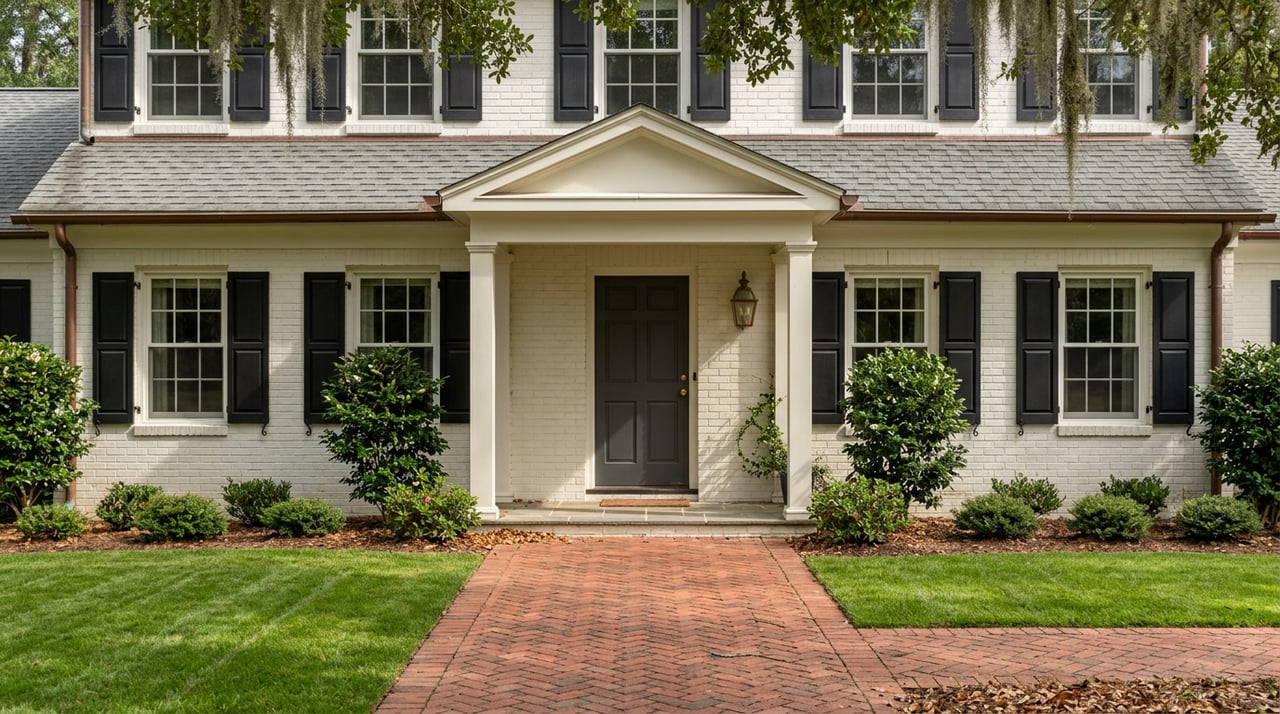
| Forest Hills | ~$549,000 typical value, mid-2026 | Colonial, Cape, or Tudor under oak canopy |
| Autumn Hall / College Acres | ~$364,000 typical value, mid-2026 | Newer construction, closer to UNCW |
| Winter Park | ~$319,000 typical value, mid-2026 | Older midtown cottage or ranch |
| ZIP 28411 (Ogden / Porters Neck) | ~$436,000 typical value, mid-2026 | Suburban new build competing with builder inventory |
Median-price data sourced from Redfin's neighborhood market pages and Zillow's home-value indices, both as of mid-2026.
Why the median is a mixing artifact
Read Wilmington as one market and the picture is fuzzy. Read it as two, and the numbers snap into focus.
The first sub-market is the historic ring: the Wilmington Historic District, Forest Hills, Glen Meade, South Oleander, and the pockets around Cape Fear Country Club. Supply here is fixed by geography and by lot inventory that stopped growing generations ago. The Historic District's median sale price climbed 24.2% year over year through February 2026, and price per square foot jumped 56% over the same window. Homes in that district closed in 34 days on average, roughly a quarter of the time they took a year earlier. Forest Hills, one street over, carries a typical value near $549,000 and rarely sees a redevelopment lot come to market without competition.
The second sub-market is the outer belt: Ogden, Porters Neck, and the greenfield corridors north and west into Leland and Hampstead. This is where national builders are active and where lot-and-house packages are trading. Local brokerage reporting in the spring of 2026 pegged average area days-on-market at 72 and flagged builder incentive stacks as the main pressure on resale absorption. A resale in Ogden isn't competing against another resale down the street. It's competing against a builder next door offering a rate buydown, a design-center credit, and closing costs.
Average the two together and you get a $461,500 median with a 32-day median listing age and a 72-day average days-on-market. Both numbers are real. They describe different halves of the city.
The migration data supports the split. Through the fourth quarter of 2025, Redfin's search data showed the top inbound origins for Wilmington buyers were Washington, DC, Raleigh, and Charlotte. Those buyers are not shopping to the citywide median. They are shopping to what a $600,000 to $900,000 house looks like in their home market, which puts them squarely inside the historic ring where supply is thinnest.
The friction that shows up in the transaction
The mixing artifact matters most at three points in the deal.
Comps. An appraiser assigned a home in Forest Hills or the Historic District will find few clean comparables inside the same district. Sample sizes are small: five closings in the Historic District in February 2026, versus hundreds citywide over the same window. That thin comp set is what allows the year-over-year price gap between the historic ring and the outer belt to keep widening. It also means an offer strategy tuned to citywide averages can under- or over-shoot by six figures.
Days on market as a pricing signal. In the historic ring, a listing that crosses 30 days is a pricing problem, not a market problem. In the outer belt, 60 to 90 days is normal and reflects builder competition rather than seller error. Buyers who read a long DOM the same way in both sub-markets miss leverage they actually have, or invent leverage they don't.
Builder incentives distorting resale value. In Ogden, Porters Neck, and the Leland/Hampstead corridor, the resale seller two doors down from an active builder site is negotiating against a moving target. The builder can adjust incentives weekly. The resale seller cannot. This is the mechanism behind the rising DOM in the outer belt, and it doesn't touch the historic ring at all.
What your money buys, by price band
Under $500,000, the citywide median points a buyer toward Winter Park, parts of College Acres, or the outer ZIPs. Historic-ring inventory at this price is mostly condos and small lots requiring renovation.
Between $500,000 and $800,000, the split becomes a choice about what you're buying scarcity of. This band gets you into Forest Hills, most of the Historic District, and the edges of Glen Meade. It also gets you a fully finished larger new build in the Ogden or Porters Neck corridor. The historic-ring home appreciates against a fixed supply. The new build appreciates against next quarter's builder incentives.
Above $800,000, the market bifurcates a third time. Glen Meade and South Oleander are inside the historic ring's typical range at this level. The waterfront and gated coastal enclaves north of the city sit in a category of their own, priced against the Wrightsville Beach and Landfall coastal premiums rather than the Wilmington median.
The Federal Housing Finance Agency's All-Transactions House Price Index for the Wilmington MSA smooths this all together at the metro level. That's useful for long-horizon context and unhelpful for pricing a specific offer.
FAQ
If the citywide median is $461,500, why is the Historic District median $615,000 and climbing? Because they're measuring different sets of homes. The citywide figure includes new construction, condos, and outer-belt resales. The Historic District figure captures a small, supply-constrained pool of restored properties inside the walkable core. Different pools, different medians.
Is 72 days on market a warning sign? Only in context. That's an area-wide average pulled up by outer-belt resales competing with builder incentives. Historic-ring homes are closing in 34 days on average. If you're shopping inside the ring and see a listing past 45 days, the pricing needs a closer look, not the market.
Where are the sellers with pricing power right now? Owners inside the historic ring with a clean, well-priced product. The combination of a 0.64 pending-to-active ratio citywide and a shrinking Historic District DOM tells you buyers are competing for finished inventory in a fixed footprint. Outer-belt sellers are pricing against a builder who can change the deal weekly.
Does this pattern hold at the coastal price points? The historic ring is a Wilmington story. Wrightsville Beach and Landfall run on their own supply constraints, with median sale prices in the seven figures and their own micro-market splits by street and view. The same discipline applies: don't shop to the average.
A closer look before you write an offer
The Wilmington market isn't slowing or accelerating. Different parts of it are doing different things at the same time, and the citywide median hides the split. If you're deciding between the historic ring and the outer belt, or trying to price a listing inside either one, the right comparison set matters more than the right headline number.
The team at Kenyon Realty Group works these micro-markets daily, from the Historic District and Forest Hills through Landfall, Wrightsville Beach, and Figure Eight Island. Schedule a private consultation and we'll walk you through what your budget actually buys in the sub-market that fits your plans.